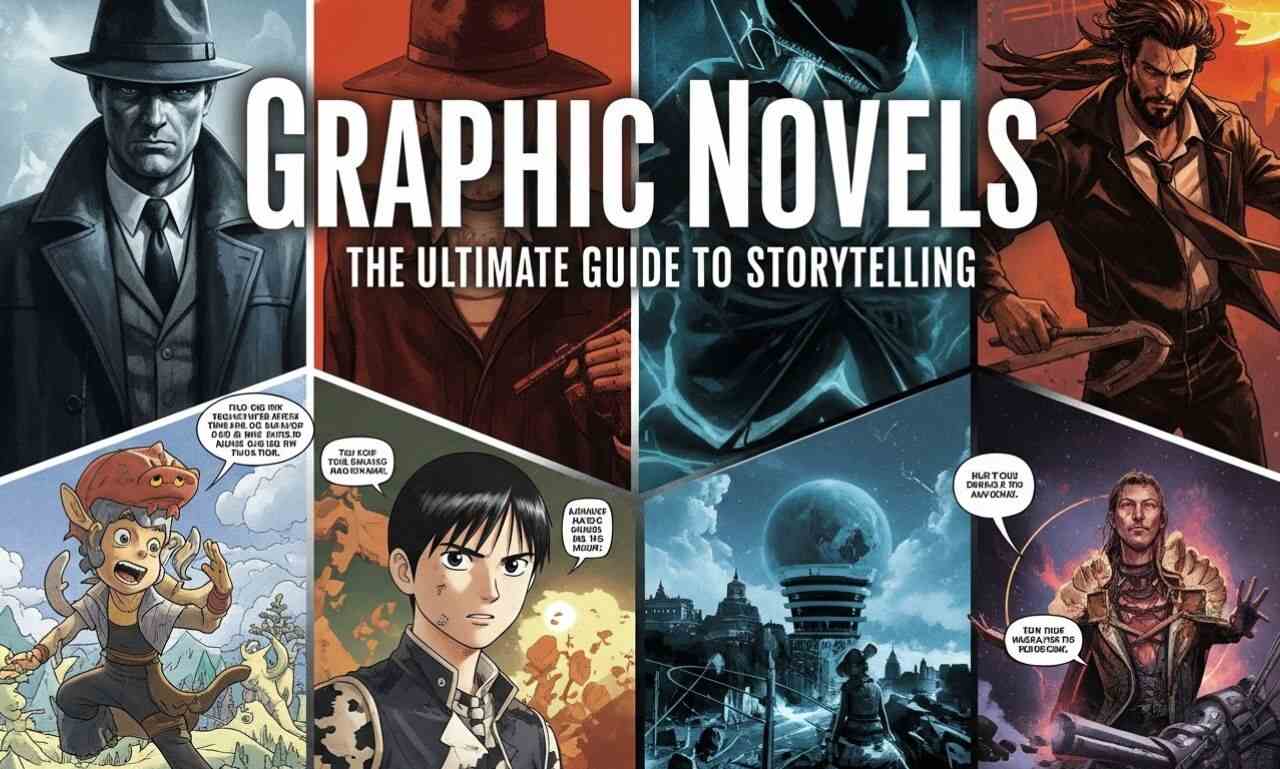
Graphic novels have transformed modern literature by combining powerful storytelling with striking visual art. Once considered a niche format, graphic novels are now a respected and influential medium embraced by readers of all ages. From superhero epics to deeply personal memoirs, graphic novels offer a unique reading experience that blends literature and illustration into one compelling form.
In this comprehensive guide, we’ll explore what graphic novels are, their history, popular genres, benefits, and why they continue to dominate bookstores and digital platforms worldwide.
What Are Graphic Novels?
A graphic novel is a long-form narrative told through sequential art. Unlike traditional comic books that are often serialized and shorter in length, typically present a complete story in one volume. They feature detailed artwork, developed characters, and complex plots similar to traditional novels.
While graphic novels share similarities with comics, they are generally more substantial in scope, theme, and storytelling depth. Many graphic novel tackle mature topics such as identity, politics, mental health, and social justice.
The History of Graphic Novels
Although the term “graphic novel” became popular in the late 20th century, illustrated storytelling dates back centuries. However, modern gained mainstream recognition in the 1970s and 1980s.
One of the most influential works in the genre is Maus by Art Spiegelman. This Pulitzer Prize-winning graphic novel portrayed the Holocaust through anthropomorphic characters, proving that graphic storytelling could address serious historical themes.
Another groundbreaking work is Watchmen by Alan Moore, which redefined the superhero genre with dark, complex narratives.
Since then, graphic novels have expanded into multiple genres and become a global literary movement.
Popular Genres in Graphic Novels
Graphic novels are not limited to superheroes. Today, readers can find graphic novel in nearly every literary genre.
1. Superhero and Action
Superhero graphic novels remain among the most popular. Publishers like Marvel Comics and DC Comics dominate this space. Titles such as The Dark Knight Returns continue to influence pop culture.
2. Memoir and Biography
Personal stories have become a defining feature of graphic novels. A notable example is Persepolis by Marjane Satrapi, which recounts the author’s childhood during the Iranian Revolution.
3. Fantasy and Science Fiction
Graphic novels excel in fantasy and sci-fi because visuals bring imaginative worlds to life. Series like Saga blend epic storytelling with stunning artwork.
4. Young Adult and Contemporary
Graphic for young readers are growing rapidly. Books like Smile resonate with teens due to relatable themes and expressive illustrations.
Why Graphic Novels Are So Popular
1. Visual Storytelling
The combination of text and artwork enhances emotional depth. Facial expressions, panel layouts, and color schemes add layers that traditional novels cannot replicate.
2. Accessibility
novels are approachable for reluctant readers and English language learners. The visuals support comprehension, making complex narratives easier to understand.
3. Emotional Impact
Images often create a stronger emotional response than text alone. A single illustrated panel can communicate mood, tension, or heartbreak instantly.
4. Diverse Voices
novels have opened doors for marginalized creators to share authentic stories. The format encourages experimentation and creative freedom.
Educational Benefits of Graphic Novels
novel are increasingly used in classrooms worldwide. Educators recognize their ability to:
-
Improve reading comprehension
-
Develop visual literacy
-
Encourage critical thinking
-
Engage struggling readers
-
Introduce historical and cultural topics
For example, March by John Lewis presents the Civil Rights Movement in an engaging and accessible format.
The Digital Revolution and Graphic Nov
Digital platforms have further expanded the reach of graphic novels. E-books, tablets, and web-based reading apps allow readers to enjoy graphic anywhere.
Platforms such as Amazon Kindle and online comic services have made distribution easier for independent creators. Webcomics frequently evolve into published , giving new artists opportunities to reach global audiences.
How to Start Reading Novels
If you’re new to novels, here are simple steps to begin:
-
Choose a genre you already enjoy.
-
Read reviews and recommendations.
-
Visit your local library or bookstore.
-
Explore award-winning titles.
-
Try both standalone books and series.
Starting with critically acclaimed works can provide a strong introduction to the medium.
The Future of Graphic Novel
The future of novels looks promising. Film adaptations, streaming series, and multimedia projects continue to increase demand. As visual storytelling becomes more dominant in digital culture, graphic novel are positioned to thrive.
Additionally, global influences such as Japanese manga and European bandes dessinées contribute to stylistic diversity. The industry continues to innovate with experimental layouts, hybrid genres, and interactive formats.
Final Though
Graphic novel are far more than illustrated stories. They are a dynamic literary form capable of tackling profound themes, building immersive worlds, and connecting deeply with readers. Whether you enjoy action-packed adventures, heartfelt memoirs, or fantasy epics, offer something for everyone.
As publishing trends evolve, remain a powerful bridge between art and literature. Their ability to merge visual expression with narrative complexity ensures their continued growth and cultural relevance.
If you haven’t explored novels yet, now is the perfect time to dive in and discover the storytelling revolution that continues to captivate millions worldwide.