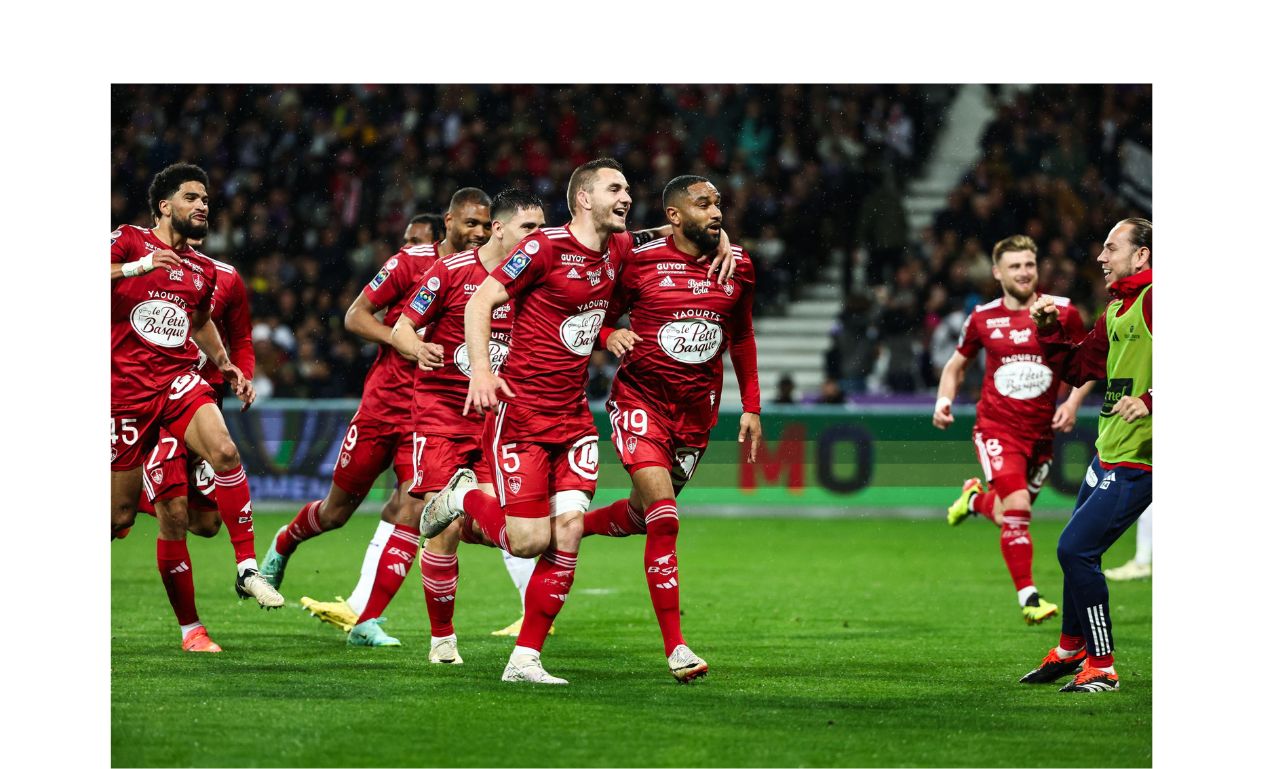
Stade Brestois 29, often referred to simply as Brest, is one of the most fascinating football clubs in French soccer. Based in the coastal city of Brest in Brittany, France, the club has developed a reputation for resilience, passionate supporters, and an exciting style of play. While Brest may not always receive the same global attention as clubs like Paris Saint-Germain or Marseille, its story is filled with determination, growth, and memorable moments.
In recent years, Stade Brestois 29 has become increasingly competitive in Ligue 1, the top tier of French football. With a dedicated fan base and ambitious management, the club continues to establish itself as a respected presence in French soccer.
This article explores the history, achievements, stadium, players, and future of Stade Brestois 29.
The History of Stade Brestois 29
Stade Brestois 29 was founded in 1950 after the merger of several local football clubs in the city of Brest. The goal was to create a stronger team that could compete at higher levels of French football.
The club’s name includes “29”, which represents the department number of Finistère, the region where Brest is located. This detail reflects the club’s strong connection with its local community.
During the early decades, Brest spent most of its time competing in lower divisions of French football. However, by the 1980s, the club began to rise through the ranks and eventually reached Division 1, which is now known as Ligue 1.
Although financial challenges caused setbacks in the early 1990s, the club rebuilt itself and gradually returned to professional football. Today, Stade Brestois 29 stands as a symbol of persistence and regional pride.
Brest’s Journey Through French Football
Like many mid-sized clubs in Europe, Brest’s journey has been filled with promotions, relegations, and rebuilds.
Some key milestones in the club’s history include:
Promotion to Ligue 1 (2010)
One of Brest’s most significant achievements came in 2010, when the team earned promotion to Ligue 1 after finishing near the top of Ligue 2. This marked the club’s return to the top division after many years away.
Relegation and Rebuilding (2013)
After several seasons competing against France’s strongest clubs, Brest was relegated back to Ligue 2 in 2013. While this was disappointing, the club used the opportunity to reorganize and strengthen its squad.
Return to Ligue 1 (2019)
Another historic moment arrived in 2019, when Brest secured promotion back to Ligue 1. Since then, the club has worked hard to remain competitive against larger and wealthier teams.
These ups and downs have shaped the identity of Stade Brestois 29 as a team that never stops fighting.
Stade Francis-Le Blé: Brest’s Home Stadium
Stade Brestois 29 plays its home matches at Stade Francis-Le Blé, a historic stadium located in Brest.
The stadium has a capacity of approximately 15,000 spectators, creating an intense and energetic atmosphere during matches.
Key features of the stadium include:
- Close proximity between fans and the pitch
- Passionate Breton supporters
- A traditional football atmosphere
Although smaller than many modern arenas, Stade Francis-Le Blé is known for its authentic football culture, making it a difficult place for visiting teams to play.
Plans for future stadium development have occasionally been discussed as the club grows.
Playing Style and Team Philosophy
Stade Brestois 29 has built a reputation for playing aggressive and attacking football. Unlike some teams that rely on defensive strategies against stronger opponents, Brest often focuses on fast counterattacks and high energy.
Common tactical characteristics include:
- Quick transitions from defense to attack
- Strong wing play
- High work rate from midfielders
- Organized defensive structure
This approach allows Brest to compete with teams that may have significantly larger budgets.
Notable Players in Brest’s History
Over the years, Stade Brestois 29 has been home to several talented players who have contributed to the club’s identity.
David Ginola
One of the most famous players associated with Brest is David Ginola, who later became a star in European football. His time at the club helped launch a successful career that included playing in England and representing France internationally.
Steve Mounié
Another important figure is Steve Mounié, a powerful striker known for his aerial ability and goal-scoring skills. He has played a key role in Brest’s attacking lineup in recent seasons.
Romain Del Castillo
Romain Del Castillo has also become an influential player for the club, providing creativity, assists, and attacking support.
These players represent Brest’s strategy of combining experienced professionals with emerging talent.
Brest’s Fan Culture
The supporters of Stade Brestois 29 are among the most loyal fans in French football.
Located in Brittany, a region with a strong cultural identity, Brest supporters take great pride in representing their city and region.
Fans are known for:
- Passionate chanting during matches
- Strong community support for the team
- Traveling to away games across France
Even during difficult seasons, Brest’s fans continue to stand behind their club.
This unwavering support plays a major role in the team’s resilience.
Rivalries and Key Matches
While Brest does not have as many high-profile rivalries as some larger clubs, regional matches are always important.
Games against other clubs from western France can create exciting atmospheres, especially when regional pride is involved.
Additionally, matches against giants like:
- Paris Saint-Germain (PSG)
- Olympique Marseille
- Olympique Lyonnais
often attract significant attention. These games give Brest the chance to challenge some of Europe’s strongest teams.
Challenges Facing Stade Brestois 29
Like many smaller clubs, Brest faces several challenges when competing in Ligue 1.
Financial Limitations
Compared to clubs backed by major investors, Brest operates with a smaller budget. This makes it harder to sign expensive players.
Player Retention
Talented players often attract interest from bigger clubs. Brest must continually develop new talent to remain competitive.
Infrastructure Development
Improving facilities, stadium capacity, and training resources is essential for long-term growth.
Despite these challenges, the club continues to find creative solutions to remain competitive.
The Future of Stade Brestois 29
Looking ahead, Stade Brestois 29 has several goals that could shape its future.
Key ambitions include:
- Establishing itself as a stable Ligue 1 club
- Developing young talent through its academy
- Improving stadium facilities
- Achieving higher league finishes
With smart management and continued fan support, Brest has the potential to become one of the most respected mid-table clubs in French football.
Why Stade Brestois 29 Matters in French Football
While the club may not always dominate headlines, Stade Brestois 29 represents an important part of the football ecosystem.
It demonstrates that success in football is not only about massive budgets but also about community, perseverance, and smart strategy.
For fans who appreciate underdog stories and authentic football culture, Brest offers one of the most compelling narratives in Ligue 1.
Conclusion
Stade Brestois 29 is far more than just another football club. It represents the spirit of Brittany, the determination of a team that refuses to give up, and the passion of fans who support their club through every challenge.
From its founding in 1950 to its battles in Ligue 1 today, Brest’s journey has been filled with resilience and ambition. With dedicated supporters, talented players, and a clear vision for the future, Stade Brestois 29 continues to grow as a respected force in French football.
As the club moves forward, its story remains a powerful reminder that in football, perseverance and community can be just as important as trophies.